![HER[AI]TAGE](https://her-ai-tage.pou-cakovec.hr/wp-content/uploads/2025/03/logo-1.png)
![HER[AI]TAGE](https://her-ai-tage.pou-cakovec.hr/wp-content/uploads/2025/03/logo-2.png)
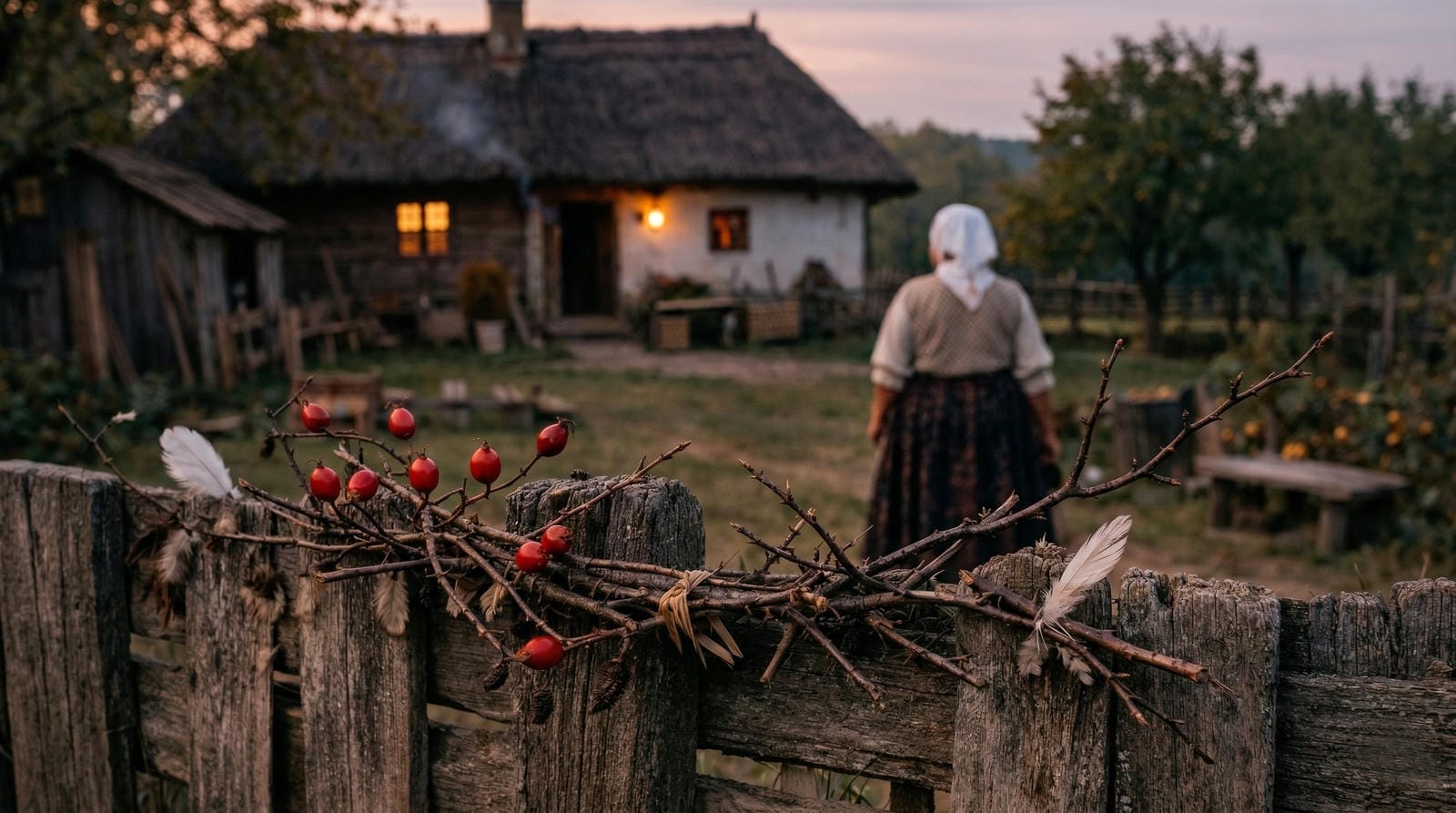
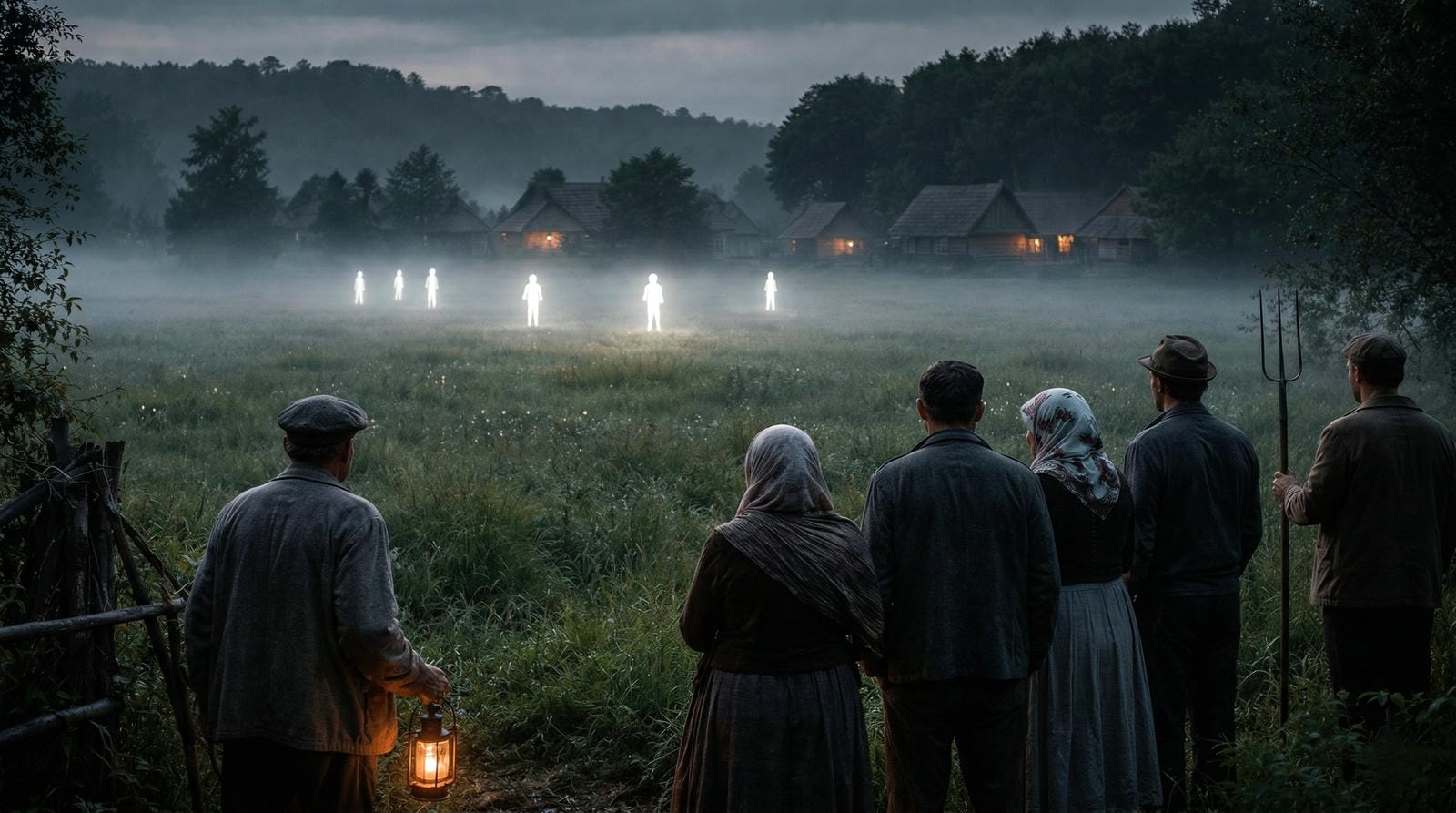
I heard many stories. My mother-in-law said she saw svečari, glowing figures in the field that people called souls. On St. George’s Day, my husband met a woman with a broom on his motorbike. They said she was a witch (coprnica). Such customs were respected. Branches of wild rose hip were placed on fences to protect against witches. I also used to hear my late mother’s voice as if she were calling me from the grave. Sometimes I experienced doors opening by themselves or being unable to move my hand. I felt as if a soul was approaching me. These are scary, but also sacred things. The elders taught us that nature has its power and that the dead are not far away. Stories about fairies, glowing souls, and witches were present everywhere and were preserved for generations. Today they are told less, but in me, they remain as a living memory.
#FolkloreAndOralTradition #IntangibleCulturalHeritage #HumanNatureCoexistence #TraditionalEcologicalKnowledge #RuralRegeneration
Exploring the world of folklore and oral tradition, this story recalls beliefs in supernatural beings like glowing souls and witches that once filled the local landscape. These stories helped the community explain natural events and set social rules, such as using wild rose hip for protection. The narrative reflects a time when the human and natural worlds overlapped, and it shows that these stories still live on in memory even if they are told less often.
While the EU does not legislate on beliefs, it actively supports the preservation of European folklore through the Creative Europe programme, recognising it as part of the continent’s cultural diversity. The Mystical Danube Interreg project specifically targets the valorisation of legends and myths for sustainable tourism in rural areas. This aligns with the EU Strategy for the Danube Region Priority Area 3. The Faro Convention’s definition of heritage communities applies to groups that maintain these oral traditions.
Developing storytelling routes or mythological trails can transform these narratives into assets for rural development. Oral history projects involving schools can capture these stories before they are lost, using digital tools to create interactive maps of significant locations. Interpretation centres can use these legends to discuss historical land use and societal fears. Workshops on the symbolic use of plants can bridge ethnobotany and folklore, demonstrating how cultural beliefs contributed to the conservation of certain species.
Sources:
https://interreg-danube.eu/projects/mystical-danube
https://cultureandtourism.danube-region.eu/
https://culture.ec.europa.eu/creative-europe
https://www.coe.int/en/web/culture-and-heritage/faro-convention
The story you have just read is an authentic record of an elder’s experiences who participated in the HER[AI]TAGE project. While the content is original, the text may have been lightly edited for optimal clarity, flow, and readability. The accompanying visuals and audio recording were created responsibly with AI technology to enrich the storytelling experience while preserving the foundational authenticity of the presented story.
AI tools used: Google Gemini via Google AI Studio.