

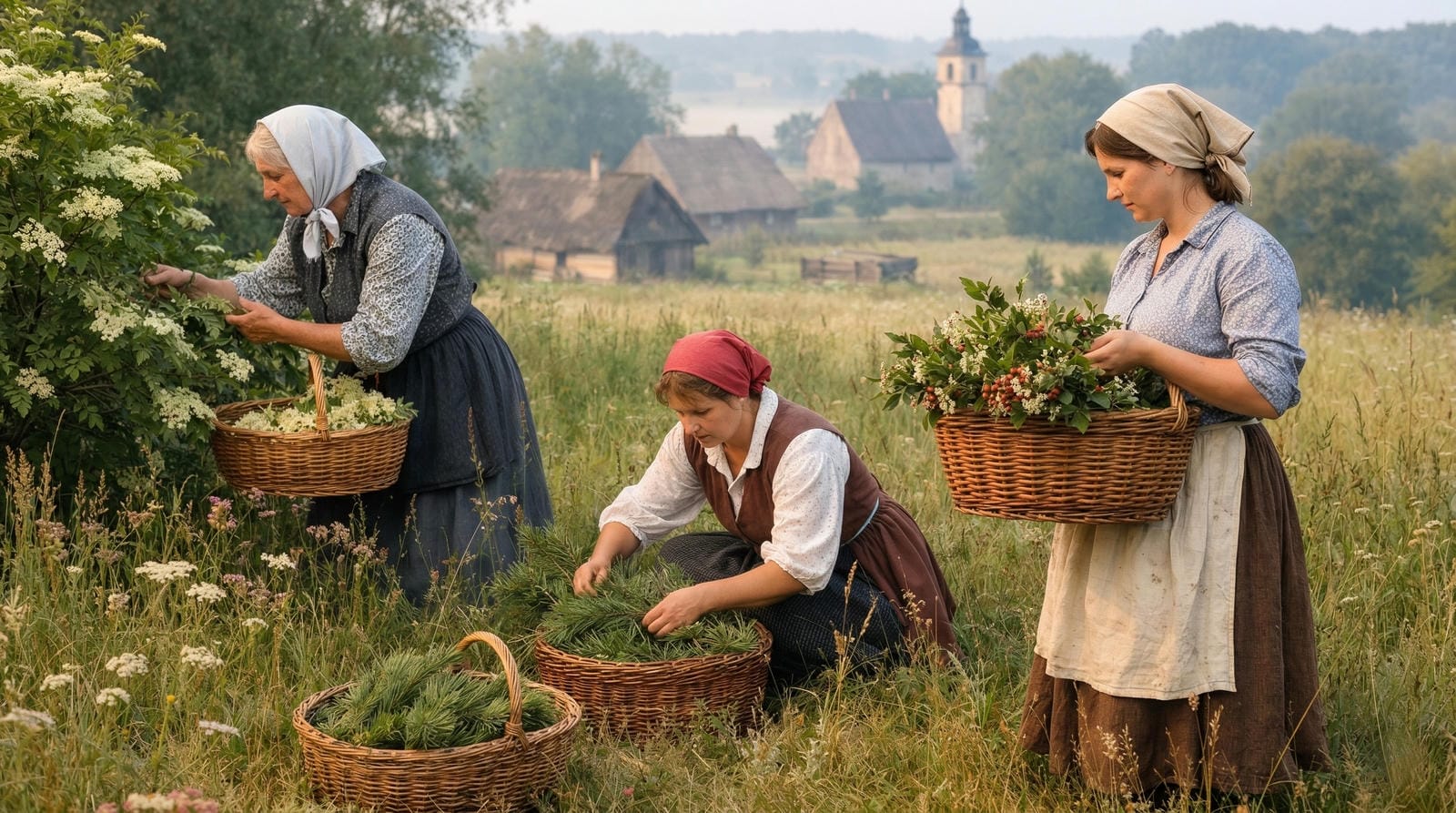
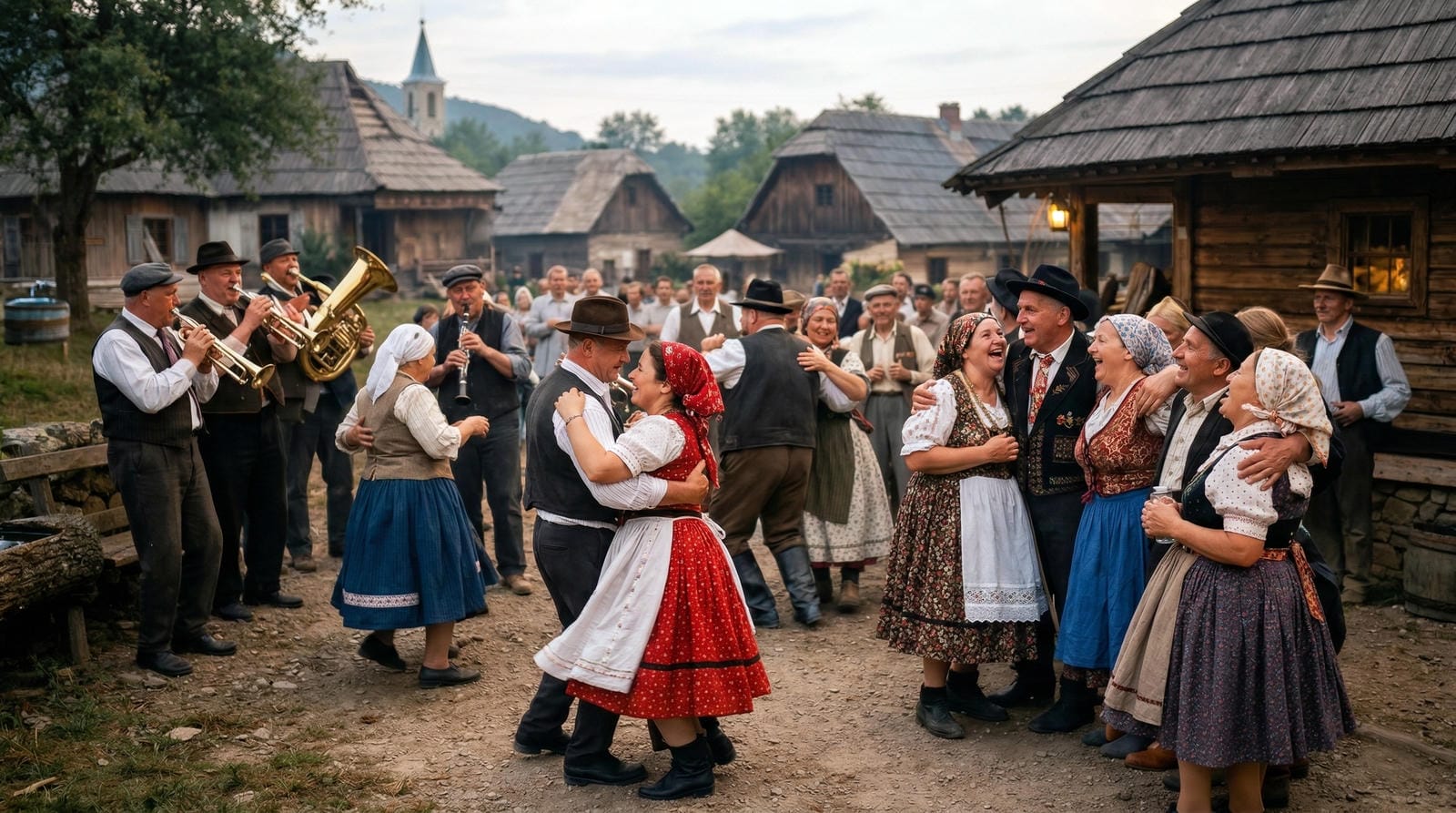
We always had festivities. People sang with brass bands, danced, and went to Hungary when we were invited. For the harvest or St. George’s Day, we celebrated with cakes and processions. We used to go across the Mura by boat, and later by bus. Old songs about water, nature, mountains, and vineyards were sung. Women gathered herbs like birch, hawthorn, and pine needles and made teas from them. At spinning and weaving gatherings, everyone socialised and rejoiced. There was always singing, even when working hard. We decorated the pine tree for Christmas and sang Christmas carols. Those were the most beautiful times. Today, young people are no longer interested, but we older ones still gather, rehearse, and sing for the soul. While we sing, we feel alive.
#IntangibleCulturalHeritage #FolkloreAndOralTradition #CommunityLedHeritageManagement #HumanNatureCoexistence #TraditionalEcologicalKnowledge
The narrator gives us a picture of a community life filled with intangible cultural heritage, where songs about nature and seasonal parties like St. George’s Day marked the passing of time. The story details using local plants for tea and the shared happiness found in spinning and weaving groups. It points out how these traditions supported well-being and identity, but also warns that the younger generation is losing interest in keeping them alive.
The preservation of these traditions falls under the scope of the EU’s support for cultural heritage, particularly through the Creative Europe programme. The Council of Europe’s Faro Convention emphasizes the value of heritage for society and the right to participate in cultural life. The specific mention of St. George’s Day aligns with practices inscribed on UNESCO’s Intangible Cultural Heritage lists. The link between heritage and well-being is increasingly recognised in EU reports on culture and health. Projects like WEAVE work to link such intangible heritage with digital preservation.
To safeguard this heritage, participatory inventorying of songs and customs can be implemented. Intergenerational choirs or folk ensembles can facilitate the transmission of songs from elders to youth. Integrating these customs into sustainable cultural tourism can provide an economic incentive for their preservation. Digital archives can ensure that recordings of these songs and descriptions of customs are preserved for future educational use. Living heritage workshops, where skills like herbal tea making are taught, can revitalise the practical aspects of these traditions.
Sources:
https://www.coe.int/en/web/culture-and-heritage/faro-convention
https://pro.europeana.eu/project/weave-widen-european-access-to-cultural-communities-via-europeana
The story you have just read is an authentic record of an elder’s experiences who participated in the HER[AI]TAGE project. While the content is original, the text may have been lightly edited for optimal clarity, flow, and readability. The accompanying visuals and audio recording were created responsibly with AI technology to enrich the storytelling experience while preserving the foundational authenticity of the presented story.
AI tools used: Google Gemini via Google AI Studio.