![HER[AI]TAGE](https://her-ai-tage.pou-cakovec.hr/wp-content/uploads/2025/03/logo-1.png)
![HER[AI]TAGE](https://her-ai-tage.pou-cakovec.hr/wp-content/uploads/2025/03/logo-2.png)
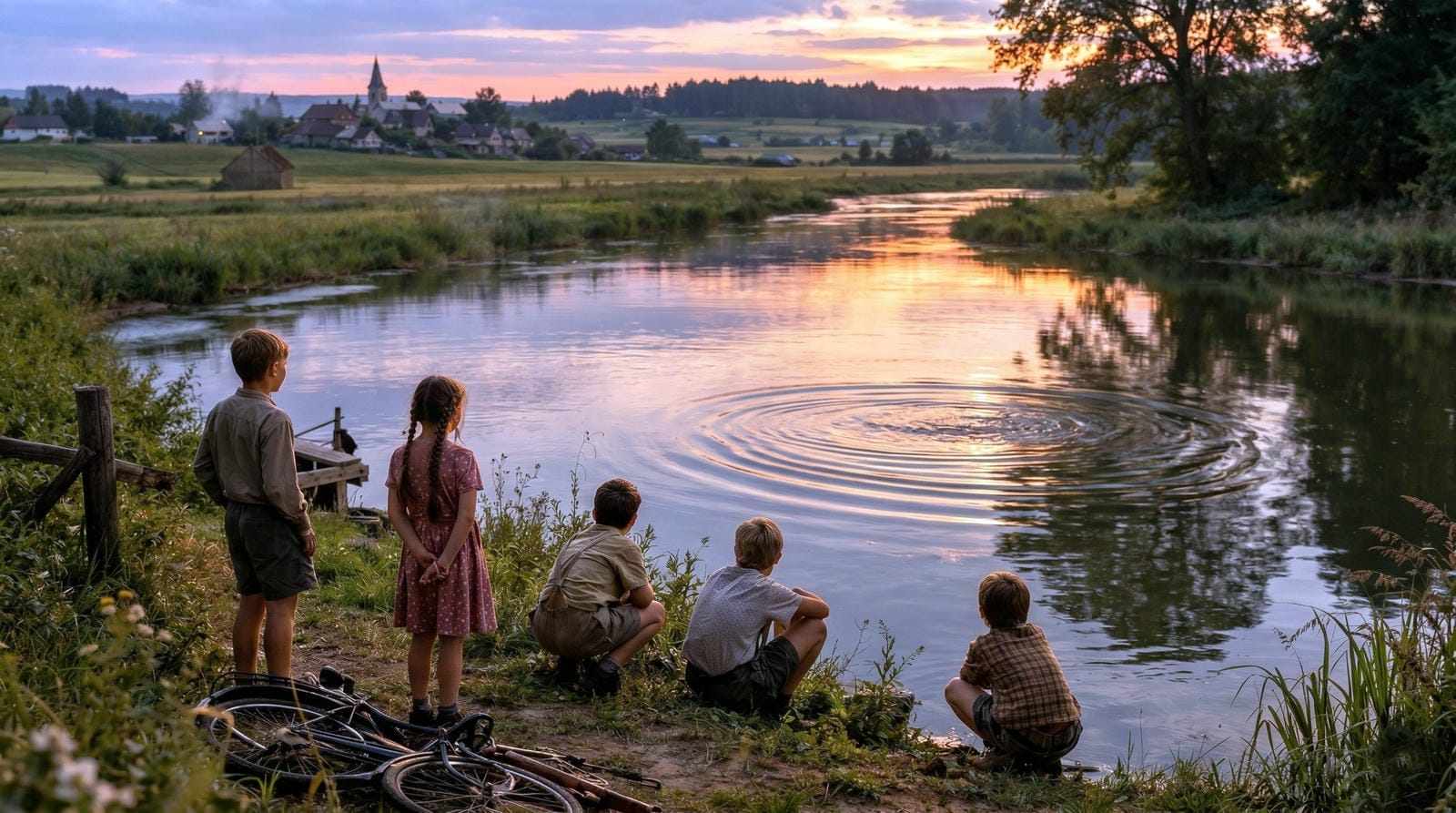
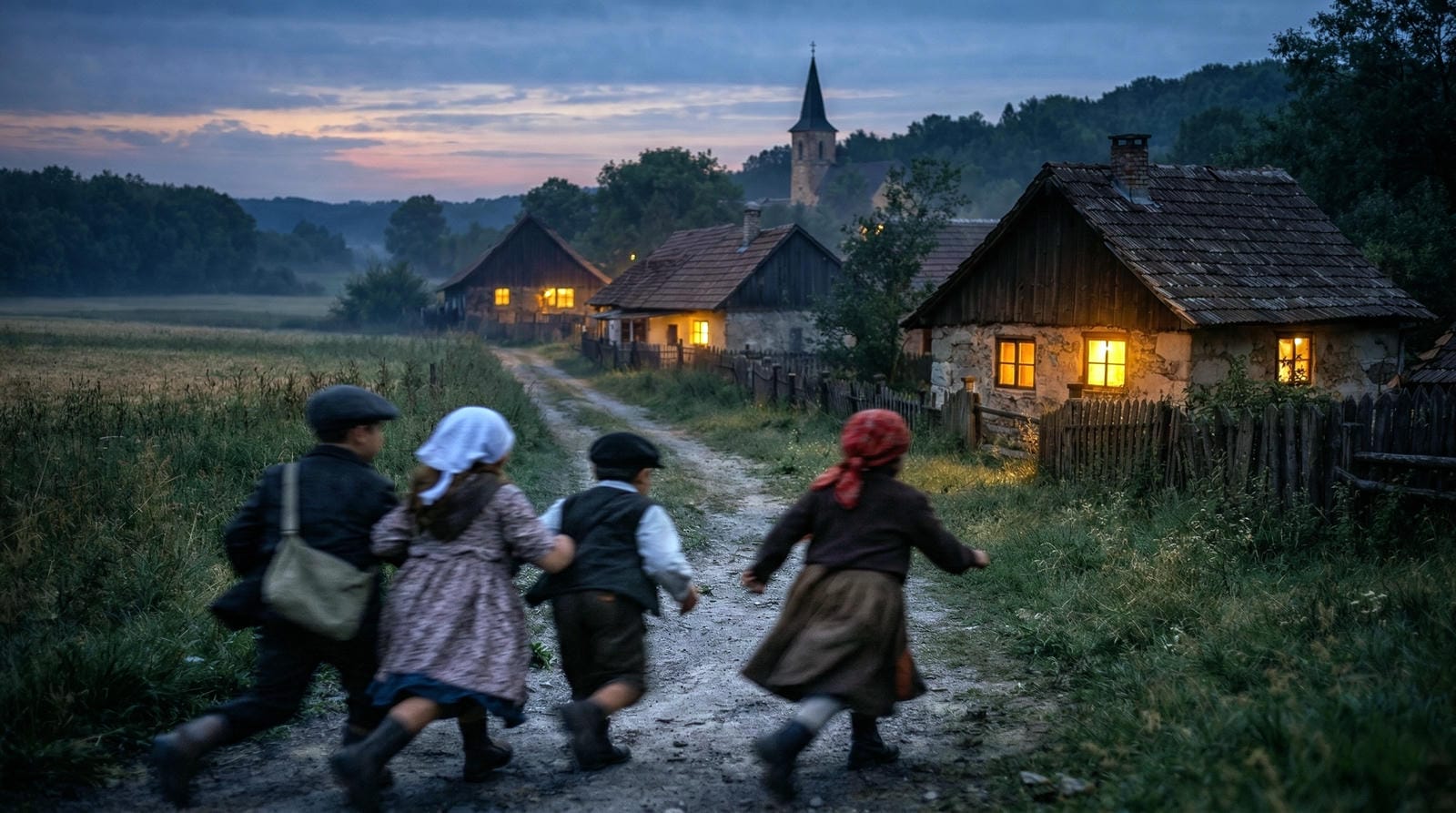
As children, they scared us with the story of Pisjanik, a creature that comes out of the water. No one saw him, but we believed he existed. We imagined him as a scary creature with one eye. That forced us not to stay out long and to come home before dark. Similar stories existed about forests where someone supposedly follows you constantly or about cemeteries that caused fear. Such stories were a way for the elders to protect us. Today, people talk less about that, but I pass on these stories and the way of life we had to my children and grandchildren. Nature was something completely normal then, with lots of forests, water, and fields. We children fantasised more about the city than about nature. Today we all run to nature and admire its beauty. This shows how times have changed.
#FolkloreAndOralTradition #EnvironmentalEducation #HumanNatureCoexistence #FreshwaterEcosystemManagement #IntangibleCulturalHeritage
This account reveals how folklore, such as the tale of the water creature Pisjanik, worked as a teaching tool to keep children safe from river dangers. It contrasts the respectful fear of nature in the past with the modern view of nature as a place for fun. The narrative highlights a shift in human-nature coexistence, noting how the move from rural to urban living has changed the way children see and interact with the natural world.
This narrative informs environmental education strategies by highlighting how cultural narratives shape risk perception. The Pisjanik is part of the shared intangible heritage of the Danube basin. Understanding these cultural attitudes is crucial for implementing the EU Floods Directive, as risk perception influences community preparedness. The shift to recreational use of rivers aligns with the ecosystem services assessment required by the EU Biodiversity Strategy.
Reviving these cautionary tales in nature schools or river schools can teach water safety through heritage. Interpretive signage along river paths can feature mythical creatures to engage visitors. Citizen science projects can use these legends to discuss river health. Mental mapping exercises with communities can explore how these old stories map onto the physical landscape and hazardous areas.
Sources:
https://environment.ec.europa.eu/topics/water/floods_en
https://interreg-danube.eu/projects/mystical-danube
https://joint-research-centre.ec.europa.eu/greencomp-european-sustainability-competence-framework_en
The story you have just read is an authentic record of an elder’s experiences who participated in the HER[AI]TAGE project. While the content is original, the text may have been lightly edited for optimal clarity, flow, and readability. The accompanying visuals and audio recording were created responsibly with AI technology to enrich the storytelling experience while preserving the foundational authenticity of the presented story.
AI tools used: Google Gemini via Google AI Studio.