![HER[AI]TAGE](https://her-ai-tage.pou-cakovec.hr/wp-content/uploads/2025/03/logo-1.png)
![HER[AI]TAGE](https://her-ai-tage.pou-cakovec.hr/wp-content/uploads/2025/03/logo-2.png)
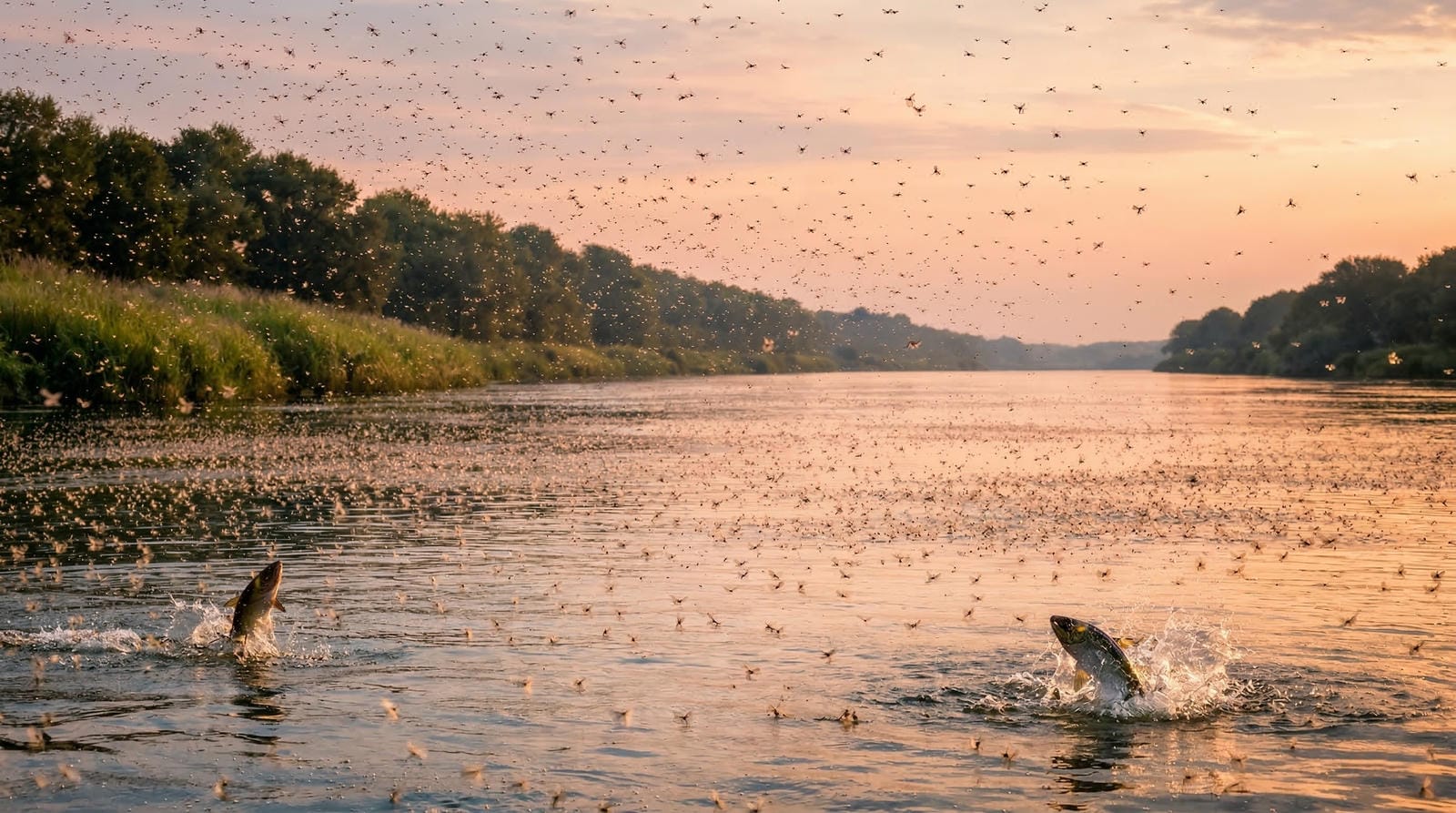
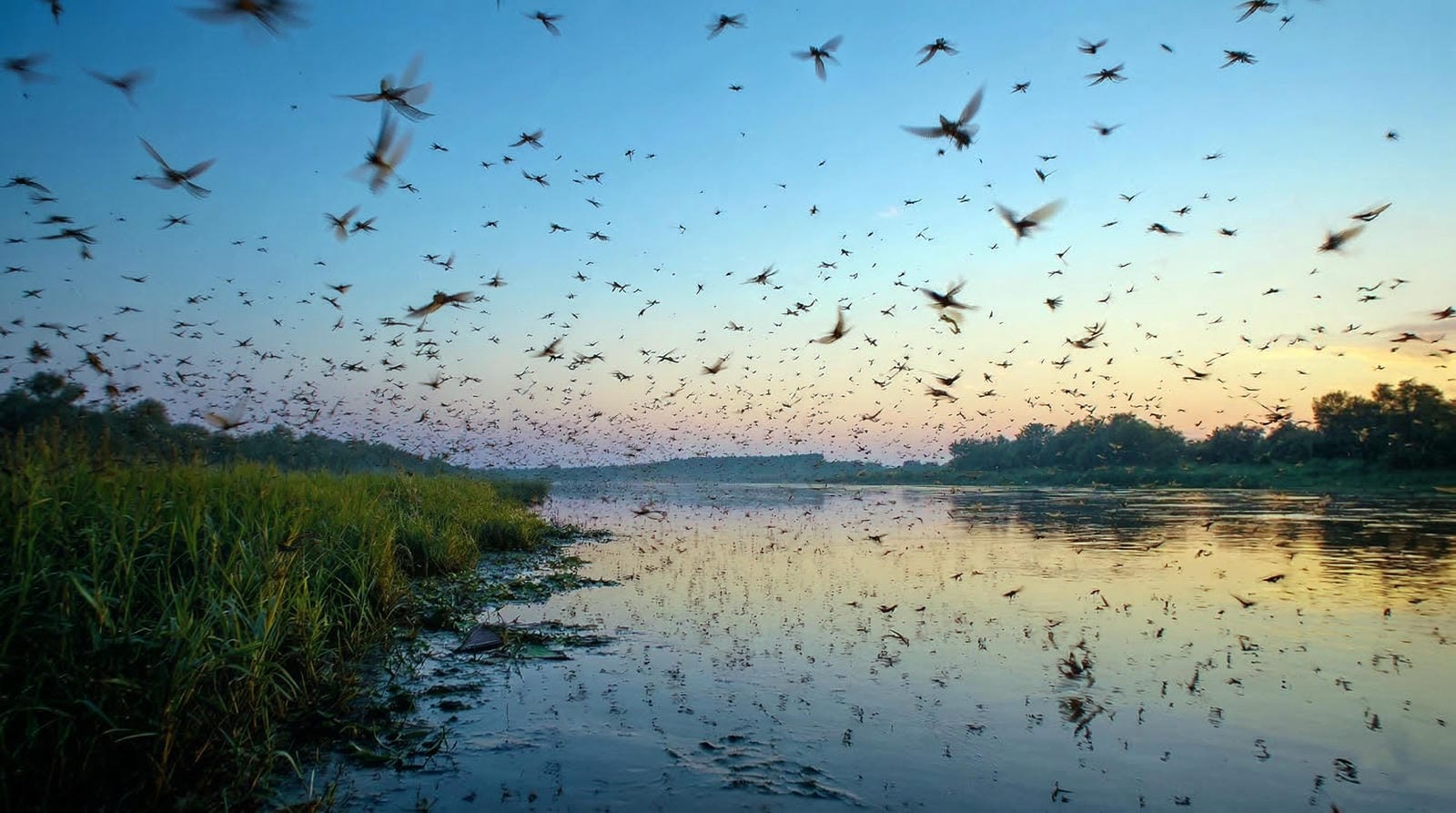
There is a fascinating fact related to the Tisa river, and it refers to its blooming. This happens every year in mid-June. That phenomenon is inexplicable and incomprehensible. Regardless of atmospheric conditions, a chrysalis emerges from the riverbed from which an insect called the Tisa Flower develops. There are so many of them that it is impossible to imagine. Even National Geographic filmed a show about that event. The phenomenon lasts three or four days. Scientists call this state metamorphosis, which is the transition from one form of life to another. When it emerges from the chrysalis, the insect has no mouth or stomach because it has no digestive tract. Therefore, it cannot feed and lives only three days. Its only task in that phase of existence is to perform its love dance, after which it dies. Already after a few days, entire streams of dead insects can be seen floating down the Tisa towards the Danube. In the evening hours, there are so many butterflies that one bank cannot be seen from the other. At that time, while the fish feed on insects falling on the water, there is no fishing. Fishing resumes only when the fish get hungry.
#BiodiversityConservation #FreshwaterEcosystemManagement #SustainableTourism #WaterQualityProtection #NaturalHeritage
Capturing the spectacle of the Tisa Flower’s swarming, this story describes the insect’s life cycle and its brief, beautiful “love dance.” It underscores the insect’s role as a sign of clean water, linking biodiversity conservation with water quality protection. The narrative presents this event as a unique natural heritage asset that attracts visitors and highlights the importance of preserving the river’s ecological health.
The Tisa Flower is listed in the Bern Convention and is a focal species for restoration. Its presence indicates good ecological status. The phenomenon is a prime asset for eco-tourism. Pollution control is critical for its survival.
Tisa Flower festivals celebrate the event. Citizen science monitoring can track the swarming. Strict protection of the riverbed safeguards habitats. Educational centres can focus on the river ecosystem. Light pollution reduction helps the species.
Sources:
https://serbia.com/the-blooming-of-the-tisa-natures-ephemeral-miracle
The story you have just read is an authentic record of an elder’s experiences who participated in the HER[AI]TAGE project. While the content is original, the text may have been lightly edited for optimal clarity, flow, and readability. The accompanying visuals and audio recording were created responsibly with AI technology to enrich the storytelling experience while preserving the foundational authenticity of the presented story.
AI tools used: Google Gemini via Google AI Studio.