![HER[AI]TAGE](https://her-ai-tage.pou-cakovec.hr/wp-content/uploads/2025/03/logo-1.png)
![HER[AI]TAGE](https://her-ai-tage.pou-cakovec.hr/wp-content/uploads/2025/03/logo-2.png)
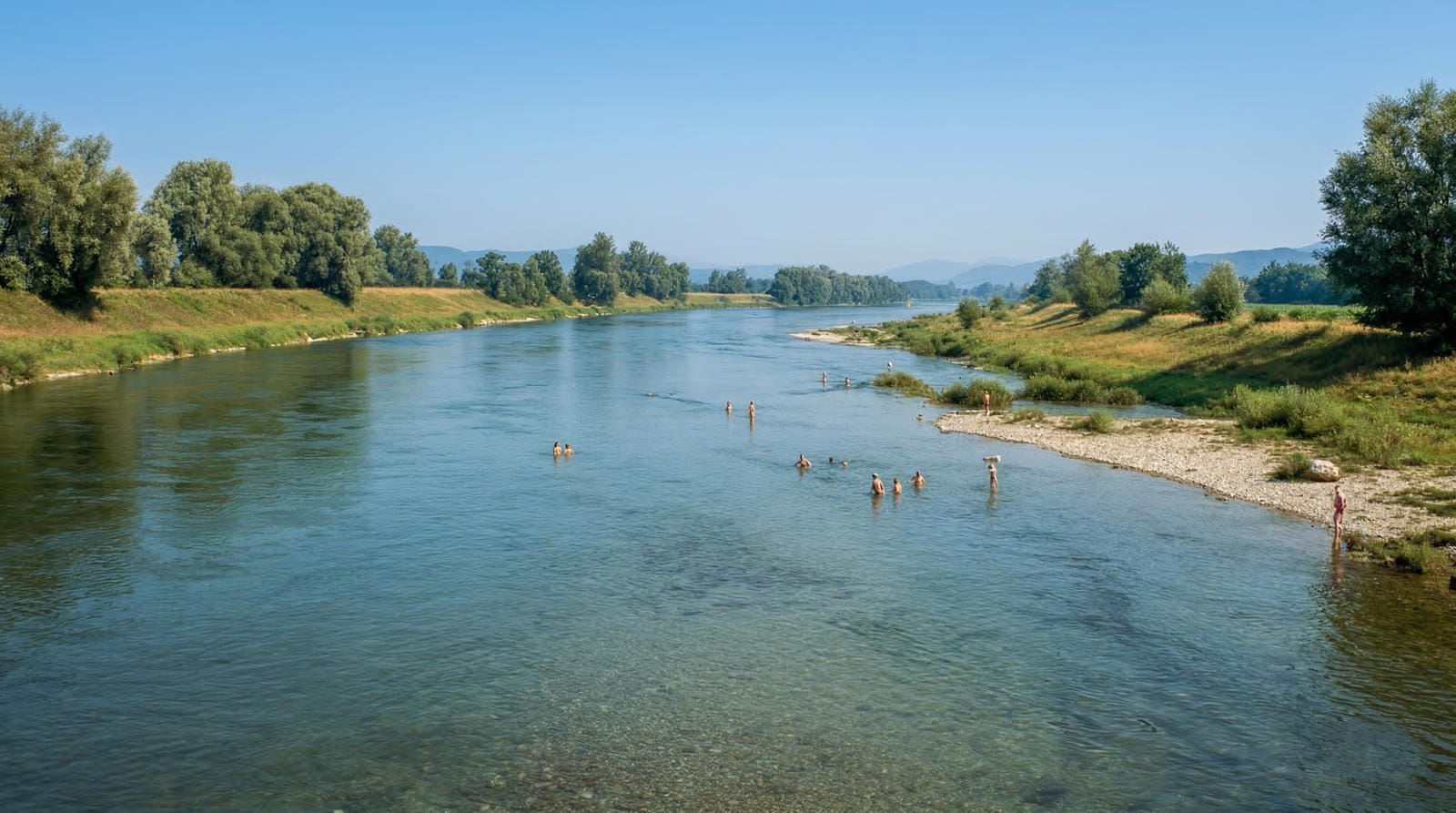
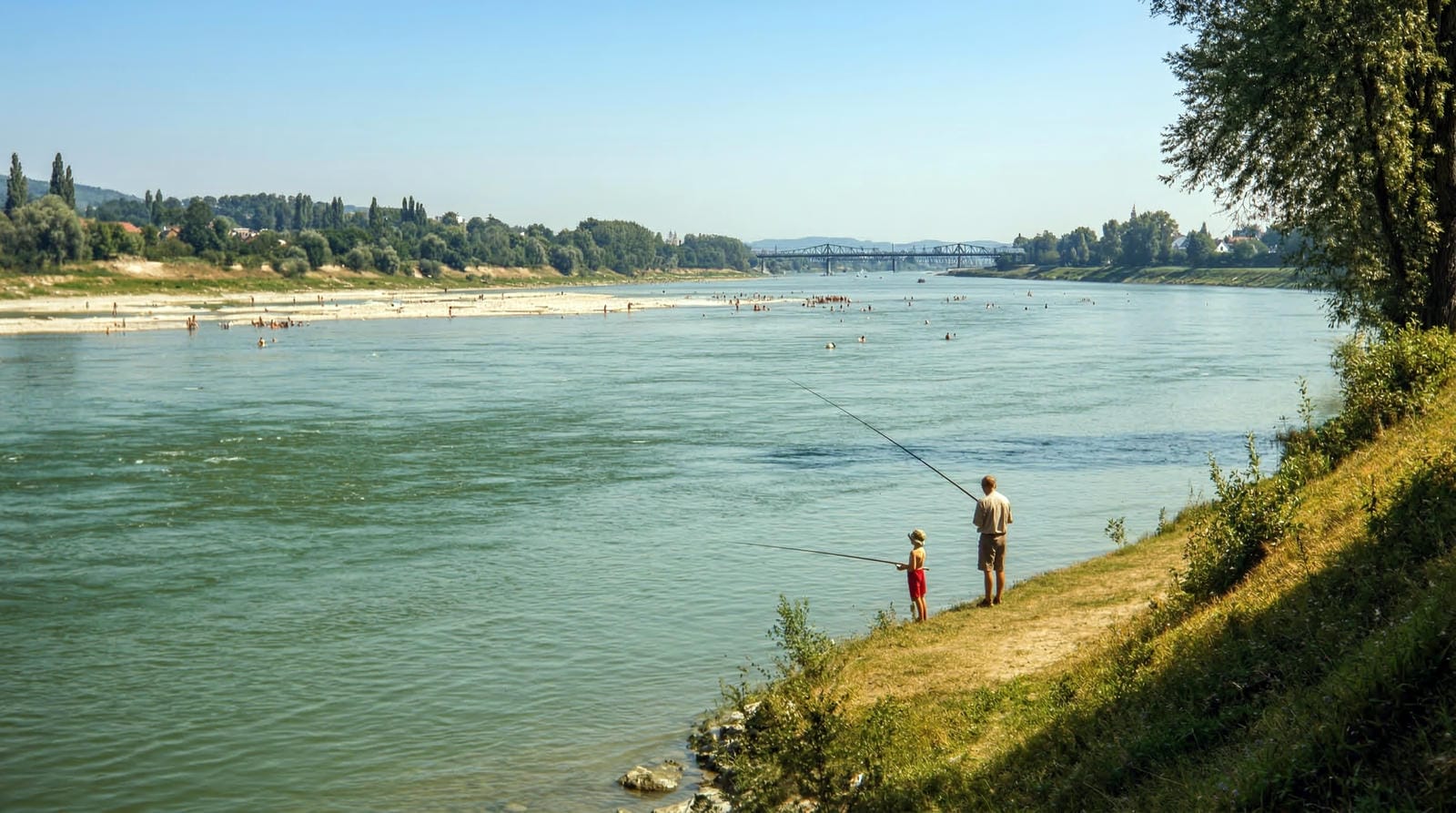
From my earliest childhood, I remember walks along the bank. We swam every year throughout the summer. The Danube was incomparably cleaner then than today. I loved going fishing with my dad because we lived right by the river. There was fish in abundance. In the afternoon we would agree to eat fish for dinner and we would simply go and catch it, we could even choose the type. Now in my adult years, I rarely see fish. Since our house was close to the stream that flows from Paragovo into the Danube, I remember there were crayfish too. Crayfish are usually found only in completely clean water. We swam between two embankments which later disappeared in a flood. That part was protected from the strong current, and we often went swimming below Kamenica Park too.
#WaterQualityProtection #BiodiversityConservation #FreshwaterEcosystemManagement #HumanNatureCoexistence #EnvironmentalEducation
Contrasting the plenty of the past with the scarcity of the present, this story reflects on a time when the Danube was cleaner and full of fish and crayfish. It highlights the degradation of biodiversity conservation and water quality over the years. The narrator’s memories of swimming and fishing serve as a baseline for environmental education, illustrating the concept of shifting baseline syndrome and the loss of human-nature coexistence.
The decline in fish stocks drives the implementation of the WFD and the Biodiversity Strategy 2030. Crayfish are protected under the Habitats Directive and are a target for conservation. The story serves as a baseline for shifting baseline syndrome in environmental education.
River restoration can improve habitats. Sustainable fishing regulations require enforcement. Citizen science monitoring of crayfish populations can be implemented. Oral history projects can document historical baselines. Educational centers can teach about the river’s history and ecology.
Sources:
https://environment.ec.europa.eu/strategy/biodiversity-strategy-2030_en
https://environment.ec.europa.eu/topics/water/water-framework-directive_en
The story you have just read is an authentic record of an elder’s experiences who participated in the HER[AI]TAGE project. While the content is original, the text may have been lightly edited for optimal clarity, flow, and readability. The accompanying visuals and audio recording were created responsibly with AI technology to enrich the storytelling experience while preserving the foundational authenticity of the presented story.
AI tools used: Google Gemini via Google AI Studio.