

Bridging generations through music
Cultural heritage is preserved not only in stories and images but also in the rhythm and rhyme of poetry and song. However, traditional poems or the lyrics of folk songs, when presented only as text, may not always capture the attention of a younger audience accustomed to modern musical styles.
AI music generation platforms, such as Suno or AIVA, offer a fascinating opportunity to bridge this generational gap.
These tools can take written lyrics and based on a user’s prompt, compose entirely new music in a wide range of genres, complete with vocals and instrumentation.
This process allows us to take the timeless words of our ancestors and give them a new, contemporary voice, helping to ensure that the emotional and narrative core of our heritage continues to resonate in the modern world.
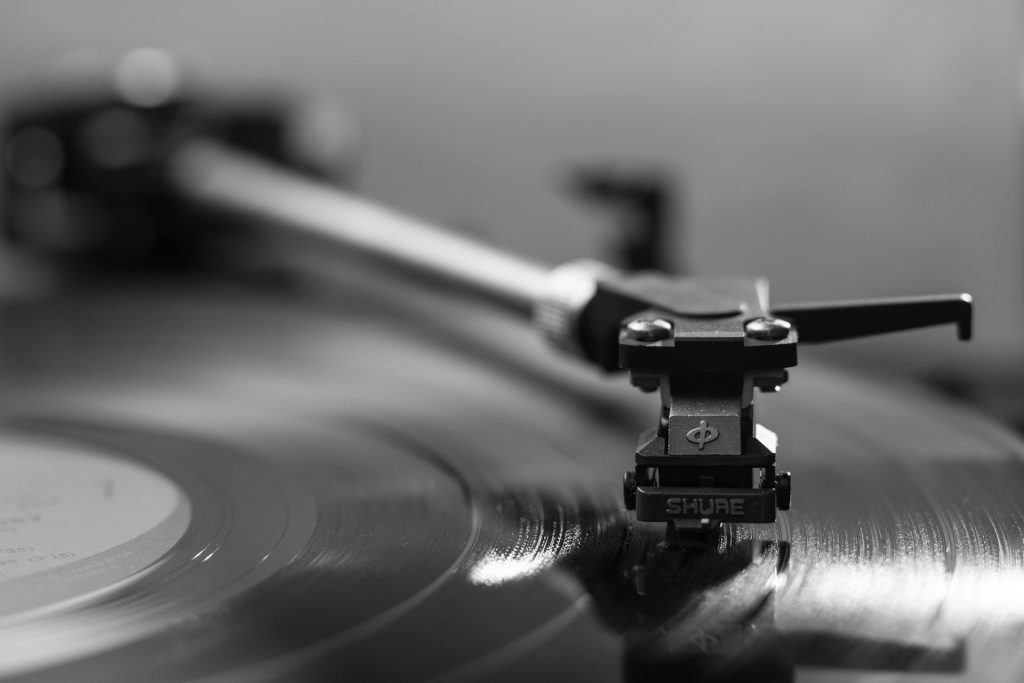
AI demonstration: Turning a poem into a song
Imagine that in the HER[AI]TAGE archives, we have the lyrics of a traditional folk poem from the Mura river region. For the demonstration purposes, we will restructure the lyrics of the traditional folk song “Mura, Mura” for a modern arrangement, i.e., we will treat the original lyrics as a “poem”. The poem speaks of the river’s melancholy beauty and the hardships of a fisherman’s life. To make this relevant to a new generation, we want to turn it into a modern song.
First, we might use a text-based AI to help us define the musical direction.
Prompt for a text AI (e.g., Google Gemini):
I have a traditional folk poem about the river Mura. The mood is melancholic, reflective, and slightly sombre. Suggest a modern music genre that would fit these lyrics well and appeal to a younger audience.
Example AI response:
Given the melancholic and reflective mood, a modern “indie folk” or “acoustic folk-pop” style would be very fitting. These genres often feature acoustic guitar, gentle vocals, and an intimate, emotional tone that would complement the historical weight of the lyrics while feeling contemporary and accessible.
After some refinement, the AI provided a detailed stylistic direction. Now, equipped with this stylistic direction, we can turn to an AI music generator like Suno, which is particularly adept at generating songs with vocals from text prompts.
Prompt for an AI music generator (e.g., Suno):
[Lyrics of the river Mura poem inserted here, with sections like [Verse] and [Chorus] marked]
Style of music: A melancholic and atmospheric indie folk song, with a gentle female vocal and prominent acoustic guitar.
The AI would then generate a complete song, composing a melody, chord progression, and vocal performance that matches the requested style and the structure of the provided lyrics.
The result is a piece of music that carries the soul of the old poem but speaks in a musical language that today’s listeners can connect with instantly. This creative application of AI helps ensure that our cultural heritage is not just preserved, but that it continues to live, breathe, and inspire.
To demonstrate these capabilities, we have “prompted” the traditional song “Mura, Mura” from the Međimurje region. The original lyrics, enhanced lyrics, and the end AI song you can find below.
Mura, Mura (source)
Mura, Mura globoka si voda ti,
ti ne miluješ človeka vtopiti.
Mura, Mura globoka si vo-da ti,
ti ne miluješ človeka vtopiti.
Mlinari su se jako žalosti-li,
gda su vidli mrtvo telo plava-ti.
Mura, Mura, globoka si vo-da ti,
ti ne miluješ človeka vtopiti.
Kćerkica je iz daleka kričala:
zakaj ste mi v nebo zeli japeka!
Radi bi ti japeka mi vuzeli,
ar da su gluboku Murski vali.
Prompt (asking Google Gemini to restructure the poem into lyrics for an audio song and describe the musical style that will honour the tradition and appeal to the younger generations):
This is a traditional poem from Međimurje about the river Mura. Turn the structure of the poem into song lyrics marking the parts [Instrumental intro], [Chorus], [Instrumental bridge], [Instrumental outro]. Formulate a short musical description of the song that will honour the poem’s traditional meaning and appeal at the same time to the younger generations. [insert text of the poem]
AI response:
Lyrics:
[Instrumental intro] (Cimbalom and a light string backing)
[Chorus]
Mura, Mura, globoka si voda ti, ti ne miluješ človeka vtopiti. Mura, Mura, globoka si vo-da ti, ti ne miluješ človeka vtopiti.
[Verse 1]
Mlinari su se jako žalosti-li, gda su vidli mrtvo telo plava-ti.
[Chorus]
Mura, Mura, globoka si vo-da ti, ti ne miluješ človeka vtopiti.
[Verse 2]
Kćerkica je iz daleka kričala: “Zakaj ste mi v nebo zeli japeka!”
[Instrumental bridge]
(The music becomes more tense, with a stronger rhythm and an emphasized cello)
[Verse 3] “Radi bi ti japeka mi vuzeli, ar da su gluboku Murski vali.”
[Chorus] Mura, Mura, globoka si vo-da ti, ti ne miluješ človeka vtopiti.
[Instrumental outro]
(The music fades, leaving only the sound of the cimbalom slowly disappearing, like an echo of water)
Style: The song begins with the ethereal sound of a cimbalom that mimics the flow of the river, creating a melancholic and dreamy atmosphere. A gentle vocal gradually intertwines with a modern, subtle electronic beat and deep bass tones that symbolize the “deep water”. The arrangement combines traditional instruments from Međimurje with ambient electronics, like the style of bands like “Portishead” or “Massive Attack”. The instrumental sections are used to convey the emotions – from a calm introduction, through a tense bridge with an emphasized cello, to a calming ending that leaves an impression of the eternal flow of the Mura and its secrets. The goal is to create a cinematic soundscape that respects the weight of the lyrics but is at the same time appealing to a younger audience accustomed to contemporary production.
After that, input the lyrics and the style description in one of the AI audio generators like Suno. Do note that the results may vary and that you might cycle through several generation cycles until you find a song that fits the intended listeners’ interests.
You may also “translate” the lyrics in other languages and easily turn the selected poem into a multilingual tool to share your region’s or country’s heritage with others.
[Instrumental intro] (Cimbalom and a light string backing)
[Chorus]
Mura, Mura, you are a deep water, you think nothing of drowning a man. Mura, Mura, you are a deep, deep water, you think nothing of drowning a man.
[Verse 1]
The millers were greatly saddened, when they saw a dead body floating by.
[Chorus]
Mura, Mura, you are a deep water, you think nothing of drowning a man.
[Verse 2]
The little daughter cried out from afar: “Why have you taken my daddy to heaven!”
[Instrumental bridge] (The music becomes more tense, with a stronger rhythm and an emphasized cello)
[Verse 3]
“We would gladly take your daddy back for you, but the waves of the Mura are deep.”
[Chorus]
Mura, Mura, you are a deep water, you think nothing of drowning a man.
[Instrumental outro] (The music fades, leaving only the sound of the cimbalom slowly disappearing, like an echo of water)
Please note that due to the nature of AI audio generation, each version of the song will have unique musical characteristics. Please be aware that AI-generated vocals may contain pronunciation errors. Generative AI is a new and rapidly evolving technology, and we appreciate your understanding of its current capabilities and limitations.